Speakers
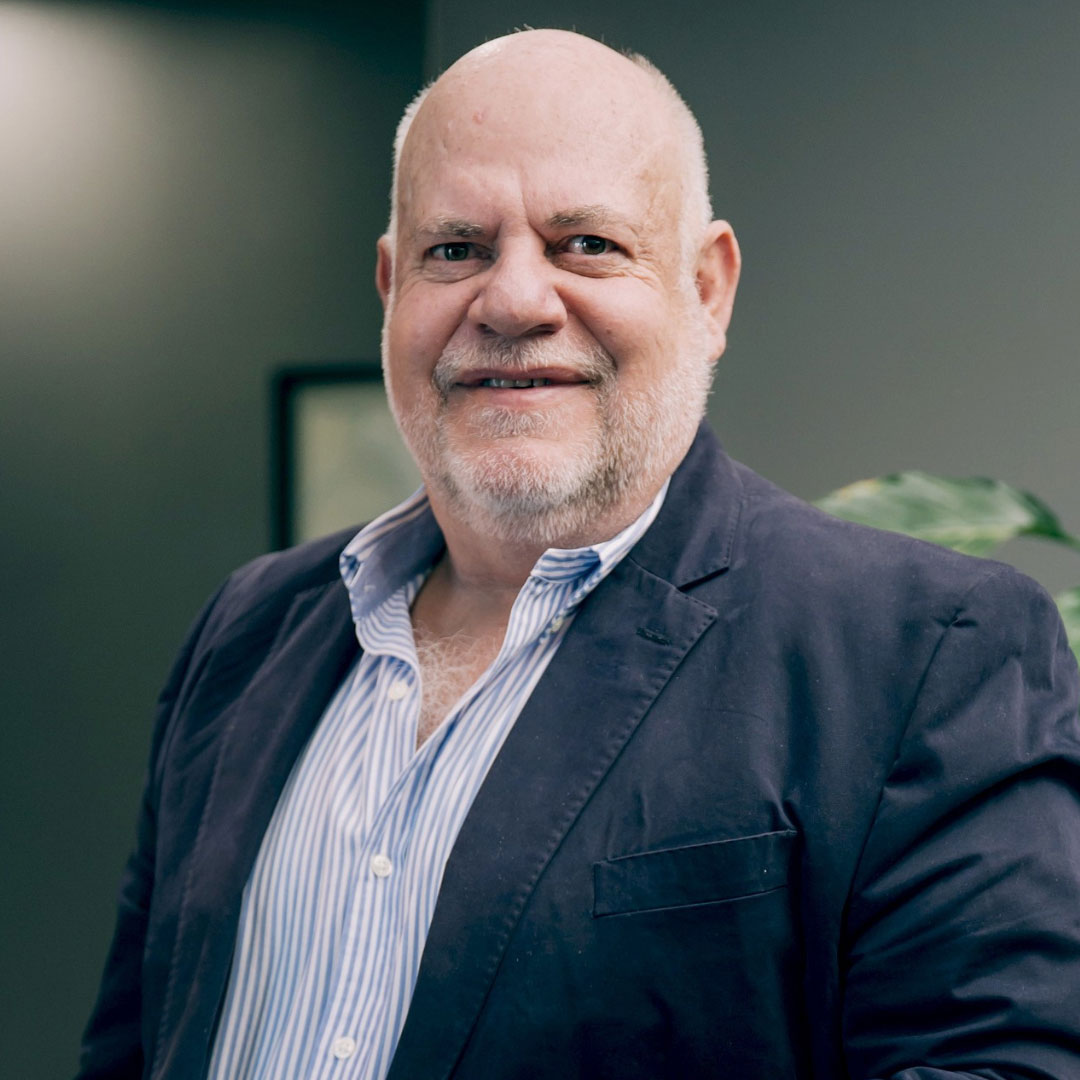
Chairman, Gigajoule International (Pty) Ltd. , investing in and operating of Natural Gas and Independent Power companies. Since 2017 he established a Wagyu breeding herd using the best available genetics from South Africa and Australia. His herd, Stella Wagyu, received the 2023 LRF award for the best Wagyu cow herd, in 2024 for the most influential bull and in 2025 the highest price at the WSA national action. In addition to South Africa, his core herd is also registered with the AWA in Australia.
He served for several years on the WSA Board, initially as Chairman of the Breed Improvement Committee and later as President. He also assisted with the formation of the World Wagyu Council.

Based and raised in Pembrokeshire, West Wales, Ryan attended the University of Edinburgh and graduated with a Bachelor’s degree in Veterinary Medicine and Surgery in 2002. Having worked over 20 years in farm animal clinical practice, Ryan started his own veterinary consulting company in 2023, Veterinary Technical Consulting Ltd., to pursue his passion in preventative animal healthcare.
The company targets proactive health planning on farms to decrease morbidity and mortality and reduce the requirement for the administration of antibiotics, while optimising animal welfare and productivity. He has conducted and published an on-farm study investigating the supplementation of passive immunity and the effects of pooled, pasteurised transition milk in calves born on a spring calving, pasture-based block calving milk production unit, which included Wagyu F1 dairy-cross calves.
The results showed a dramatic decrease in mortality and the use of antibiotics, and improvements in health and weight gain.
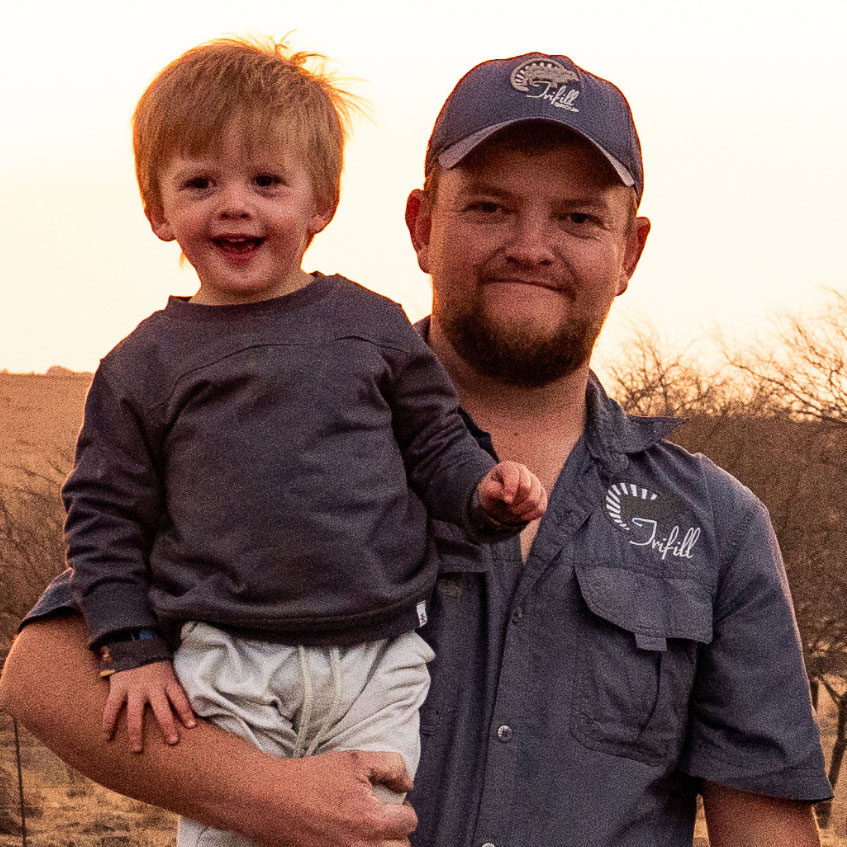
Waldo Scheepers obtained a B.Sc. Agric degree from Stellenbosch University in 2016, after which he returned to the Eastern Highveld of Mpumalanga to start his farming endeavors between Ermelo and Bethal with a commercial Bonsmara herd.
Driven by a passion for premium beef production and the science behind it, Waldo co-founded the Trifill Wagyu herd in 2017 in partnership with Dr. Johann Stadler. From the outset, he has placed a strong emphasis on genetics, performance recording, and data-driven decision-making. The wealth of information available within the Wagyu breed continues to fuel his enthusiasm for applying science to cattle breeding and production.
Over the years, Waldo has developed extensive practical experience in Wagyu breeding, herd management, and genetic improvement. His commitment to advancing the breed is reflected in his service on the South African Wagyu Society’s Breed Improvement Committee since 2020. He also serves as the Director of Certified Wagyu Beef (CWB) and as Chief Executive Officer of the South African Wagyu Society, where he plays an active role in shaping the future of the Wagyu industry in South Africa and serving its members with dedication.
Waldo is married to his wife, Bianca, and they have two kids, Nieke and Malan. The family lives on their primary production farm, Vlakspruit, near Secunda in Mpumalanga, where they continue to build and develop the Trifill Wagyu herd.
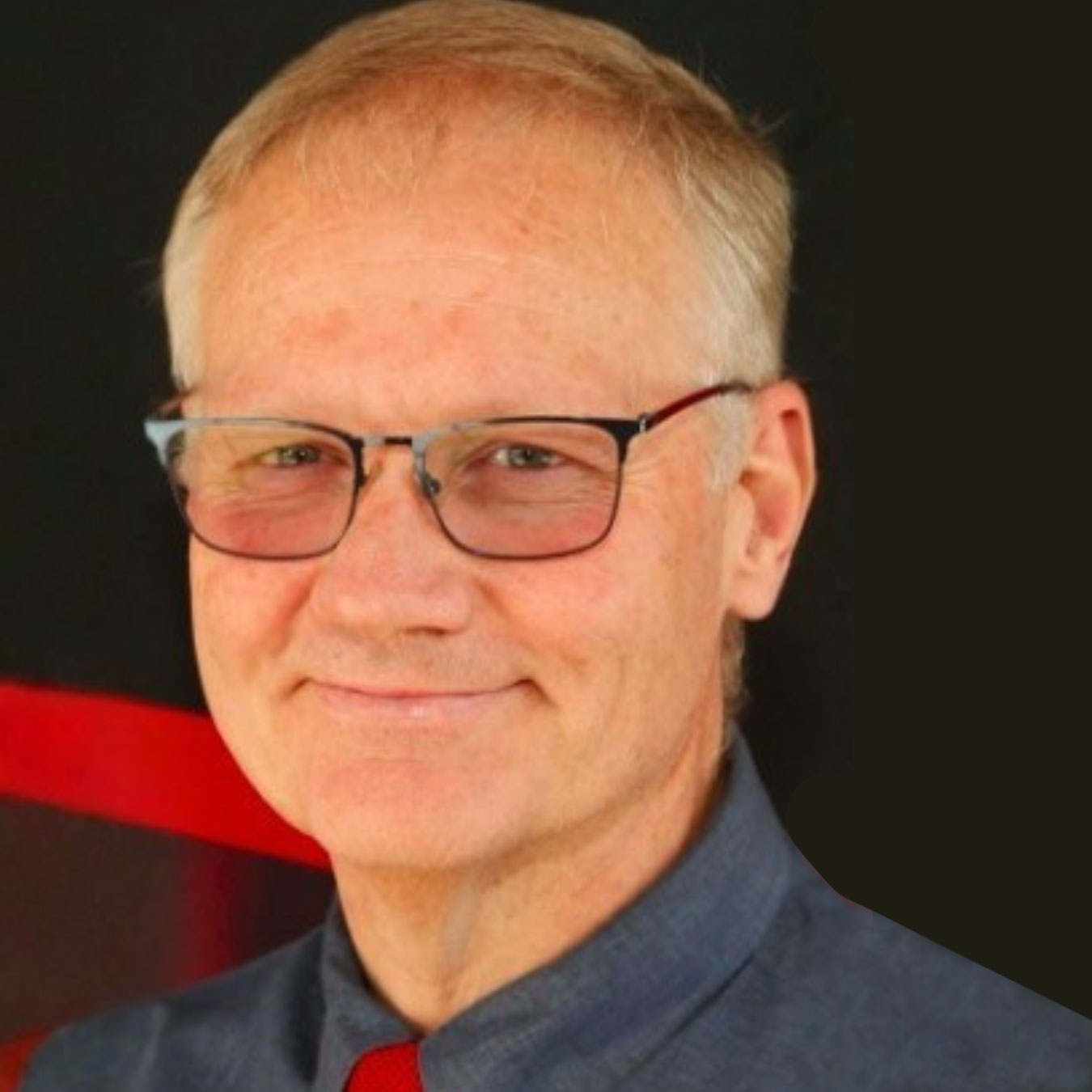
Dr Bobbie van der Westhuizen was born in the North West Provence and matriculated at Outeniqua High School in George, Southern Cape. Obtained his BSc Agric in Animal Breeding and Genetics at the University of Stellenbosch in 1998 and in 2001 he receives his MSc Agric in Animal Breeding also at the University of Stellenbosch.
In April 2001 he join the ARC-Animal Improvement Institute as a geneticist in the BLUP team and obtain his PhD in Animal Breeding from the University of Stellenbosch in 2005. In 2008 Dr van der Westhuizen was appointed as the Manager of the National Milk Recording Scheme of the Department of Agriculture, managed by the ARC.
In 2011 Dr van der Weshuizen joined the South Africa Stud Book and Animal Improvement Association as a Senior Geneticist responsible for research and routine genetic evaluations for different breeds and various species. In 2017 Dr van der Westhuizen published the first Genomic Enhanced Breeding Values in South Africa for the Bonsmara Breed followed by other beef and dairy breeds.
In 2019 Dr van der Westhuizen was appointed as the Manager: Genetic and Advisory Services at SA Stud Book and in 2020 his responsibility as manager was extended to include the SA Stud Book IT and Database infrastructure. In 2024, Dr van der Westhuizen was appointed as the CEO of the South African Stud Book and Animal Improvement Association.
Dr van der Westhuizen has over 60 Scientific, Semi-Scientific and Scientific Congress contributions.
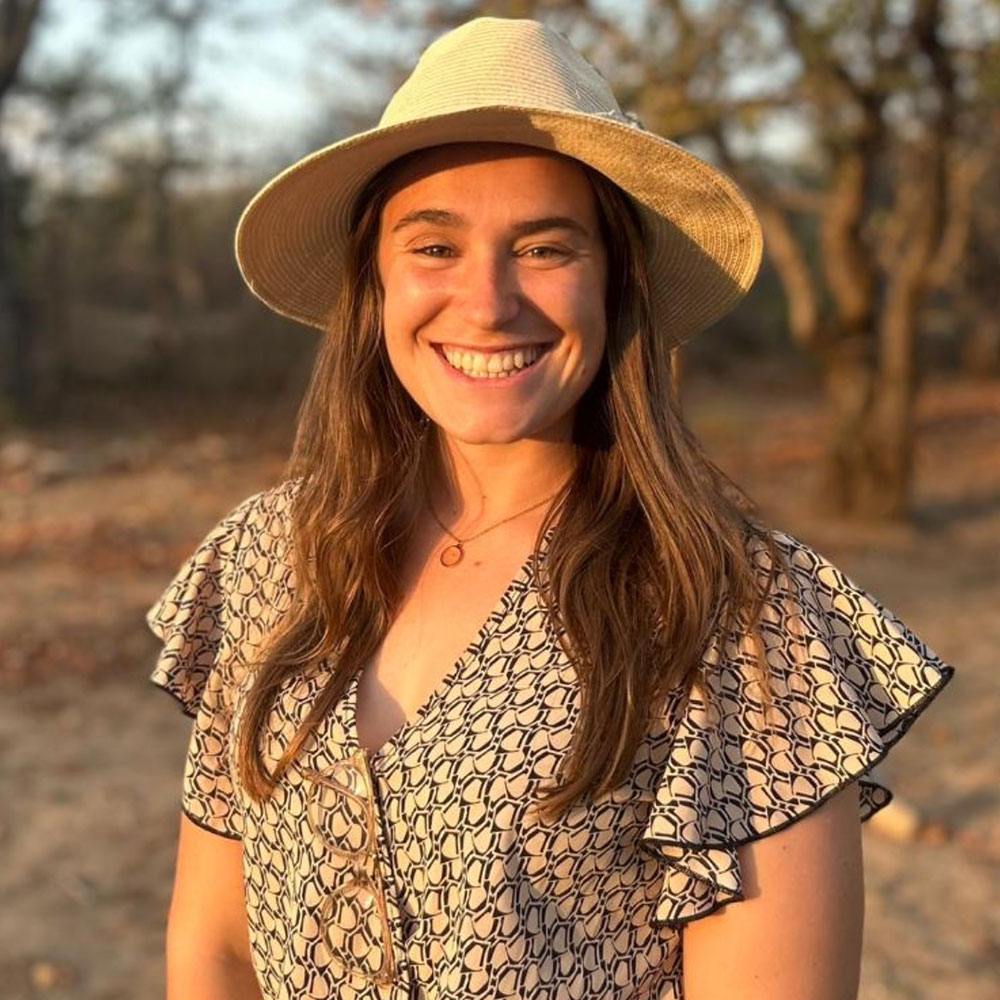
Tanya Pieterse is the Supply Chain Coordinator at Protea Reserve Wagyu Company (PRWC), where she manages the Certified Wagyu Beef (CWB) supply chain and works closely with Wagyu breeders, feedlots, and abattoirs to ensure product integrity, traceability, and compliance throughout the value chain.
She serves as the Breed Improvement Director for the Wagyu Society of South Africa and is the Chairperson of the World Wagyu Council Technical Committee, working alongside international member countries to advance technical initiatives and promote innovation within the global Wagyu industry.
Prior to joining PRWC, Tanya was employed by the Wagyu Society of South Africa, where she gained extensive experience in carcass grading, animal breeding, genomics, production data analysis, and breeder engagement. Her work has focused on objective carcass evaluation technologies, genetic improvement, and the practical application of data to support the South African Wagyu industry.
Tanya holds a BScAgric in Animal Science and an MScAgric in Animal Breeding and Genetics from the University of Pretoria. Her master’s research focused on the genomic characterisation of the South African Wagyu population, contributing to a better understanding of the breed’s genetic diversity and population structure.
At the World Wagyu Conference 2026, Tanya will present on the relationship between Real-Time Ultrasound (RTU) measurements in live animals and objective carcass grading camera technologies, as well as a comparative evaluation of the various carcass grading camera systems currently available to the beef industry. Her presentation explores how these technologies can support more objective carcass evaluation, genetic improvement, and data-driven decision-making within premium beef production.
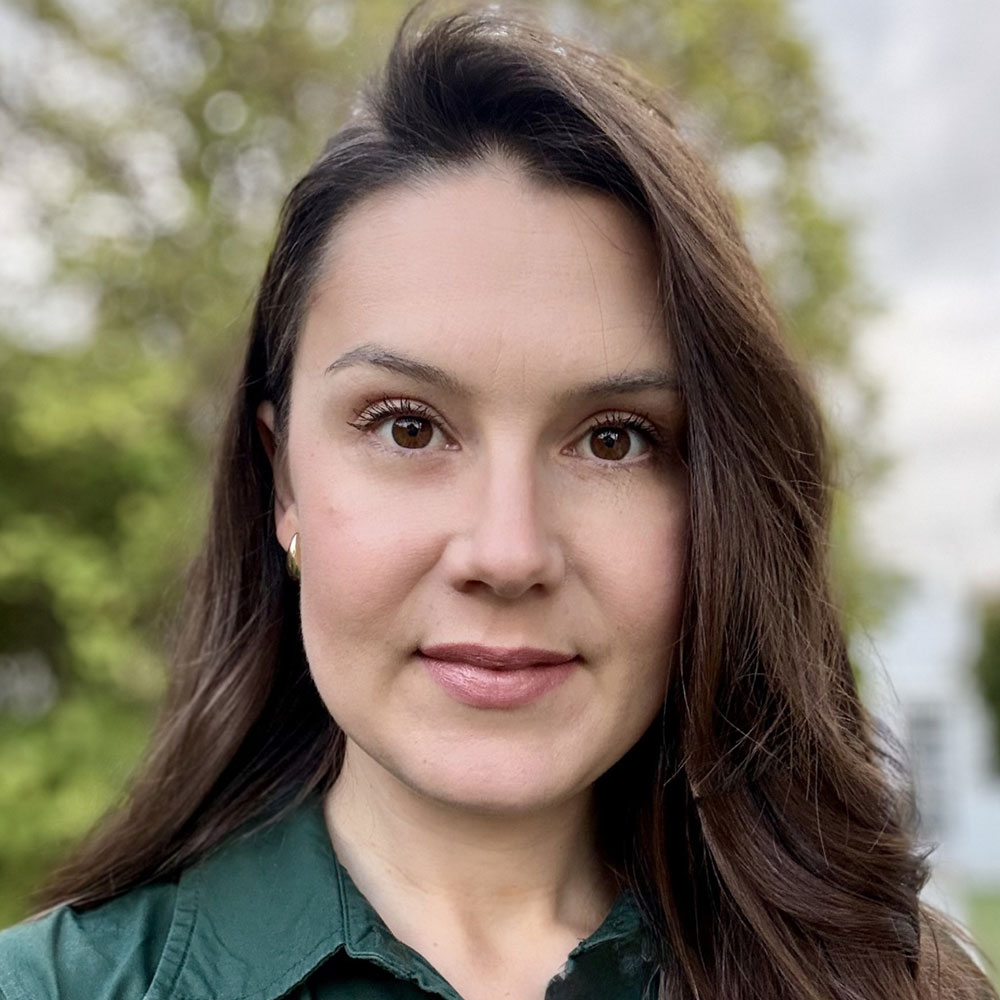
Rosalind Murray is a Trends and Insights Analyst with over 10 years of experience at Woolworths. With a background spanning culinary arts, consumer insight, and strategy, she helps teams make sense of changing customer needs and translate them into relevant, future-focused products and experiences.
A Cordon Bleu-trained chef with a degree in English, Rosalind combines a passion for food culture with a curiosity about human behaviour and emerging trends. Her work focuses on understanding the forces shaping the future of food and retail, and turning those insights into practical opportunities for innovation and growth.
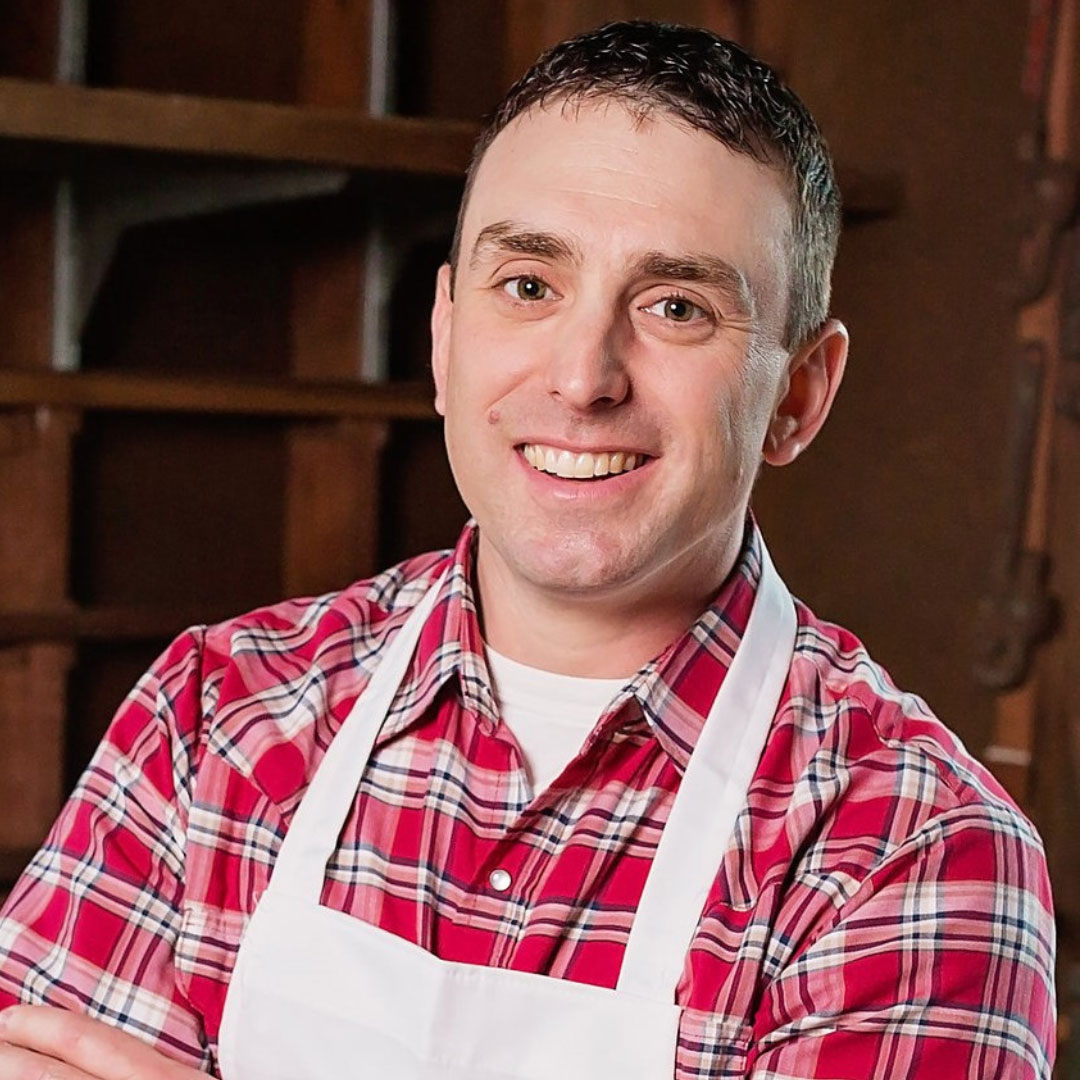
Dr. Phil Bass earned his bachelor’s and master’s degree in animal science at California Polytechnic State University and his Ph.D. in meat science from Colorado State University. Phil served as the Senior Meat Scientist for the Certified Angus Beef brand for several years where he led educational programs, innovative beef carcass merchandising initiatives, and analyzed data for the betterment of the brand and beef community.
Phil transitioned to a faculty position in the Animal, Veterinary and Food Sciences Department with the University of Idaho in 2017 where he teaches and focuses his research primarily on ways of improving beef carcass value and palatability through practical and applied means. Phil’s passion for meat animal carcass fabrication is shared in his hands-on technical meat science teaching among his students. Phil lives in Troy, ID with his wife, two children, a couple of chickens, and a small non-profit herd of beef cattle.
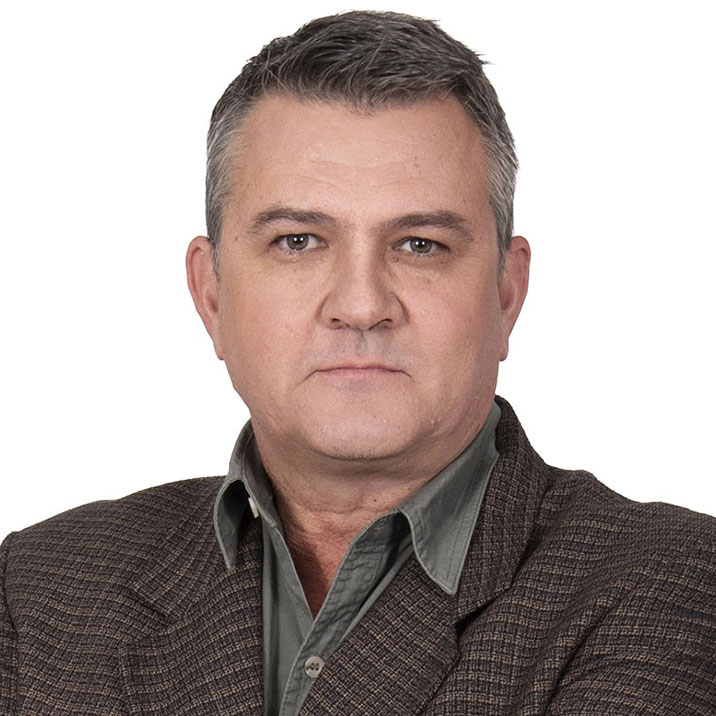
Otto Koekemoer is a virologist by training and profession. Early research was performed on vaccines, diagnostics and molecular epidemiology of several arboviruses of veterinary importance for almost 30 years. He holds a PhD in Biochemistry that he obtained in 2004 and most of his research work was performed while at the Onderstepoort Veterinary Institute. He published several papers in peer-reviewed scientific journals and supervised five post-graduate students for masters and doctoral degrees. While at Onderstepoort he was appointed international expert of the WOAH reference laboratory for African horsesickness. He spent time at Onderstepoort Biological Products where he developed and tested new vaccine candidates and optimized production and quality control processes and standards. Otto is currently employed at Design Biologix where he leads a team of specialist researchers involved in the development and registration of novel and improved veterinary vaccines for South African and international markets.
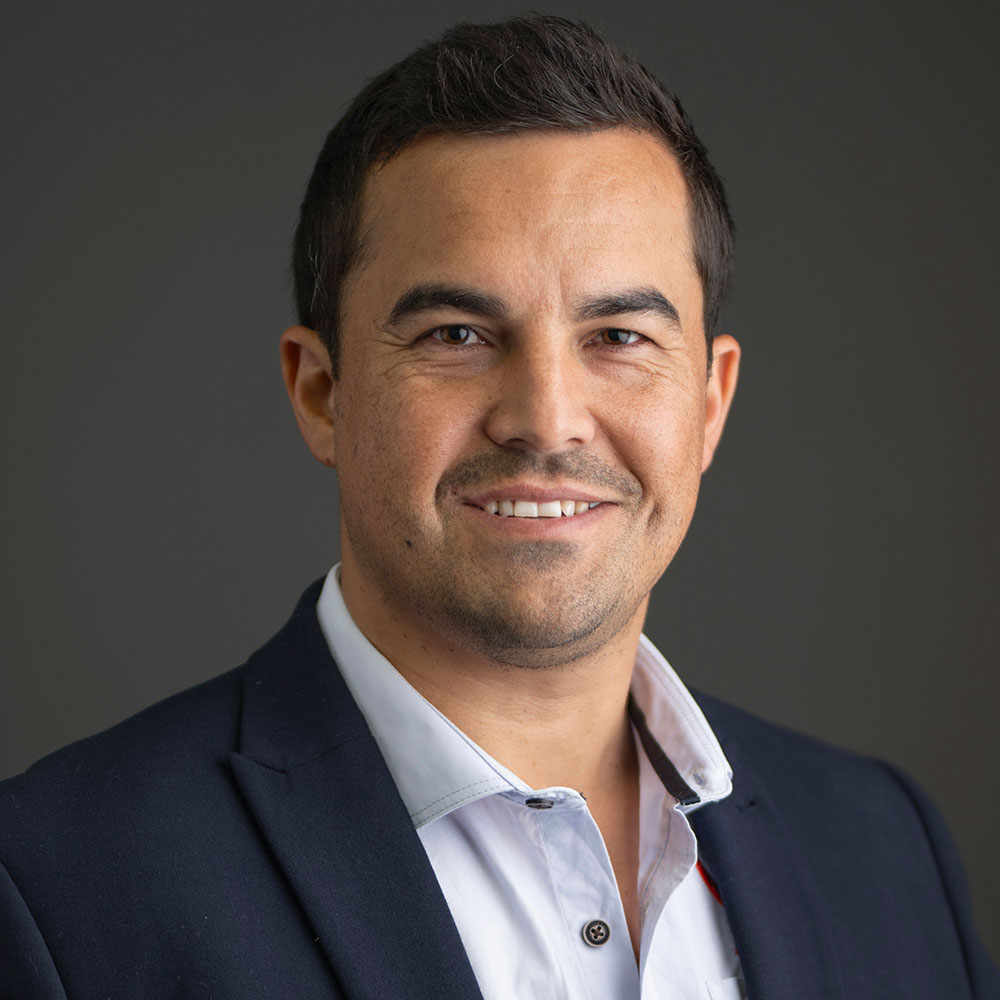
Dr Phillip Oosthuizen holds a BSc in Animal Science and Agricultural Economics from the University of the Free State, where he went on to complete his Honours, Master’s, and Doctoral degrees in Agricultural Economics. His MSc research focused on “The profit-maximising feeding period for different beef breeds,” while his PhD explored “The effect of growth promoters on beef profitability, quality, and consumer preferences: a value chain approach.”
Dr Oosthuizen began his career as an Agriculture Business Banker at Nedbank, before leading the Research and Innovation division at the Sernick Group. His work has spanned the full spectrum of the red meat value chain, including cattle production, feedlot economics, meat quality, export strategies, technology development, and emerging farmer support.
Combining deep scientific expertise with hands-on industry experience, Dr Oosthuizen brings a uniquely integrated perspective to the red meat sector. His background in the diversified Sernick value chain, coupled with his personal experience as a farmer, allows him to align innovation with practical, real-world impact.
He currently serves as the Chief Operations Officer of Red Meat Industry Services, where he leads strategic operations and drives sector-wide initiatives to strengthen the competitiveness and sustainability of South Africa’s red meat industry.